
Is Menstrual Leave a Basic Worker Right?
The debate over whether period pain warrants time off is gaining momentum

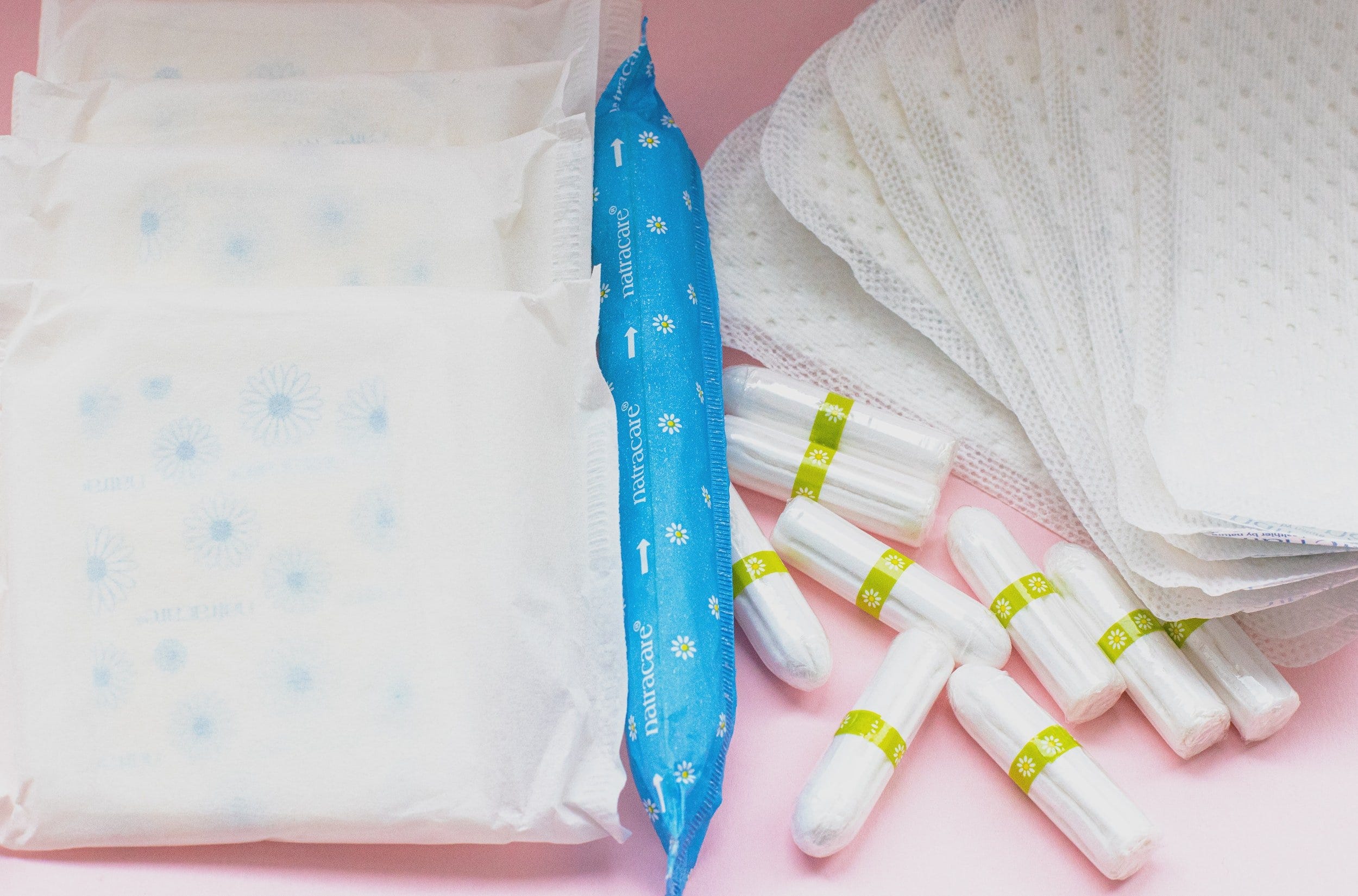
This past May, Spain joined the short list of countries to approve a draft proposal that included granting workers “menstrual leave.” Under this plan, the government would support a menstruator’s right to take the necessary days off work if they are diagnosed with extreme menstrual pain. According to the American College of Obstetricians and Gynecologists, more than half of women experience some pain for one or two days each month. For people with endometriosis, polycystic ovarian syndrome, or uterine fibroids, this can last much longer.
Even for people without underlying health concerns regarding their periods, menstruation can become an obstacle in their work or school life. In fact, a study conducted in the Netherlands found that 80% of women felt less productive due to period symptoms for over 23 days per year.
Menstrual leave would allow menstruators to take the necessary time off to rest during their periods, enabling them to return to work rejuvenated and focused. Introducing menstrual leave would also help address the taboo surrounding periods, treating them with the same legitimacy as the common cold.
Despite progress in addressing women’s bodily autonomy, period stigma remains prevalent. As a result, many working menstruators feel reluctant to request leave for their periods and have often lied about their reasons for taking a sick day to cover up period pain. Periods are still perceived as a sign of inferiority by some, and menstruators fear that taking necessary time off might put them at a disadvantage for career advancements such as promotions.
Spain is the first European country to introduce menstrual leave, following Japan, South Korea, Taiwan, Indonesia, and Zambia. Currently, only a few companies in the U.S. offer menstrual leave. Chani, a queer and feminist tech company known for its popular astrology app, has included unlimited menstrual leave as a job benefit. Under their policy, employees can request a day off by contacting their manager, and it is granted automatically. The company has found great success with this policy, citing that over 60% of employees have used it at least once.
One of the key benefits of menstrual leave is that it normalizes conversations about period pain and struggles. Employees will no longer feel pressured to push through debilitating symptoms just to keep up in the workplace. However, such policies must be implemented thoughtfully and tactfully. Introducing menstrual leave should include company-wide education to ensure that it is not viewed as a response to the misconception that menstruators are incapable or emotionally unstable.
However, menstrual leave also has its critics. A 2017 survey published in the Health Care for Women International journal found that half of the 600 respondents believed menstrual leave would have negative impacts, citing concerns that it could be abused and that such policies might be unfair to non-menstruators. Some argue that menstrual leave constitutes “special treatment” and undermines the fight for gender equality.
But why is it that we view an illness with debilitating symptoms as a valid reason for taking time off, yet consider doing so for period pain to be “special treatment?”
This shifts the conversation to whether menstrual leave should be considered a basic worker’s right. Menstrual leave, of course, presents legal challenges, as it applies only to menstruators—specifically, those of menstruating age with an intact reproductive system. Employers would need to implement policies in a way that does not create illegal discrimination based on race, gender, or age.
However, it can be argued that it is an employer’s responsibility to create policies that make employees feel heard, safe, and supported. That means making the necessary adjustments to ensure menstruation-related concerns are addressed. This is not a gender issue (as not all people who menstruate identify as women), but rather a worker’s health issue, and there is no reason why it should lead to discrimination in the workplace.
Providing menstrual leave is a commitment to improving the lives of workers by ensuring they don’t have to choose between getting paid, risking their health, or enduring illness, discomfort, or pain. It is a tangible step toward workplace equality and accessibility.